Puberty Ceremony Photography: Poses, Planning & Key Shots
By Vijay, Founder of Impixer Photography, Salem
A guide to puberty ceremony (half-saree function, Manjal Neerattu Vizha) photography: the rituals to capture, pose ideas, outfits and how to plan the day.
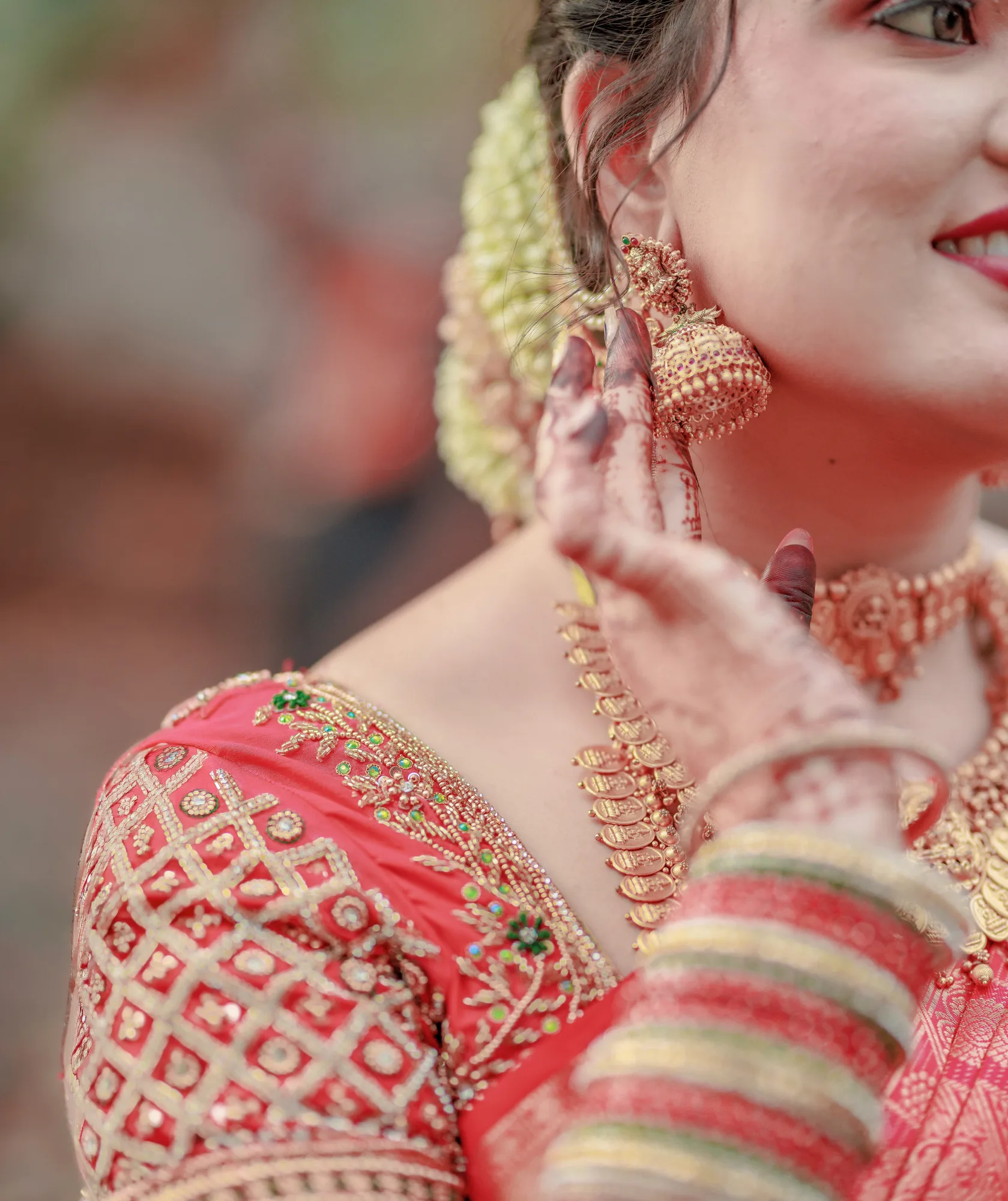
Puberty ceremony photography covers the rituals, portraits and family photographs of a girl's half-saree function, known in Tamil as Manjal Neerattu Vizha or Poopunitha Neerattu Vizha. A good set of photographs records the rituals at home, her first portraits in a half-saree or saree, and every relative who came to bless her.
It is based on Impixer Photography's experience covering more than 200 weddings and family functions across Salem and Tamil Nadu since 2018.
What should be photographed at a puberty ceremony?
Ask your photographer to cover the whole day, not only the stage:
- Rituals at home: the manjal neerattu, the aarthi and the blessings from elders.
- The maternal uncle's seer varisai: the arrival of the plates, the gifts and the garland.
- Getting ready: the half-saree or saree being draped, jewellery, flowers and mehndi.
- Portraits: on her own, then with parents, siblings, grandparents and cousins.
- The stage: decoration before guests arrive, then every family group.
- Candid moments: a mother's expression, friends laughing, grandparents watching.
Which poses work well for puberty function photos?
Simple poses work best, because most girls are shy in front of the camera that day.
- Standing with one hand lightly holding the pallu or the half-saree pleats.
- Sitting sideways on a swing, a step or the stage sofa, looking away from the camera.
- A close portrait with jewellery and flowers, eyes down, then looking up with a smile.
- Hands together showing bangles and mehndi.
- Walking slowly towards the camera with cousins or friends beside her.
- With her mother adjusting her jewellery, or her father placing a hand on her head in blessing.
Keep the portrait session to fifteen or twenty minutes and let family step in between, so she is rarely alone in front of the lens.
What should she wear?
Most families plan two looks: a traditional silk half-saree or pattu pavadai for the rituals, and a saree or lehenga for the stage. Rich, solid colours such as maroon, mustard, emerald and royal blue photograph better than pale or very shiny fabrics. Tell your photographer how many outfit changes you plan, so there is time for portraits in each.
How do we plan the day for good photographs?
- Share the muhurtham time and the order of rituals with your photographer in advance.
- Keep the room for rituals at home tidy and open the windows for light.
- Finish stage decoration at least half an hour before guests arrive, for clean photographs.
- Make a short list of the family groups you must have, starting with grandparents.
- Take the portraits before the hall fills, not after dinner when everyone is tired.
Should we book candid or traditional photography?
Book both if you can. Traditional photography gives you the formal record of everyone who attended, which every family wants in the album. Candid photography captures the natural moments in between. One photographer follows the rituals and the stage while the other looks for expressions, so neither is missed. Video and a short highlight film can be added.
What decides the cost of puberty ceremony photography?
The price depends on the hours of coverage, the number of photographers, whether you want video and the album you choose. Share your date and venue and ask for an itemised quote, so you can compare like for like.
When will we receive the photographs?
At Impixer, edited photographs, films and albums are delivered within 30 to 90 days of the function, depending on the season and your package.
Planning a function in Salem? See puberty ceremony photography in Salem or check your date.